
Imagine a class of 20 students. Some are performing strongly, while others are struggling. Some prefer science and maths, others are more confident in humanities. Their attendance, behaviour, engagement and learning needs are all different.
Now multiply that across several year groups and try to understand who needs additional support, who is ready for greater challenge and which factors are affecting each student’s progress.
Academic performance is shaped by many different influences. Understanding how those factors interact can be difficult when decisions rely only on individual observations.
This is where Big Data can help. By analysing large volumes of historical and current information, schools can identify patterns that may not be immediately visible and use them to support better decisions.
What is Big Data, and how is it used in education?
Big Data refers to very large and complex datasets that can be analysed to identify patterns, relationships and trends.
In education, this may include:
- student profile information, such as age or year group;
- academic data, including attendance, marks, assessments and homework completion;
- learning activity, such as the use of digital textbooks, online courses, page views and test results;
- information about participation in school activities and programmes.
When used responsibly, this information can help schools understand student progress more clearly, recognise emerging problems and make better-informed academic and operational decisions.
How can Big Data support schools?
Data analysis can support schools in several ways: helping teachers understand individual learning needs, identifying students who may require additional support, improving resource planning and giving school leaders a clearer picture of what is happening across the organisation.
It can also reduce some of the manual work involved in monitoring academic performance and school operations, allowing staff to focus more attention on teaching and student support.
Understanding individual learning needs
Data can help teachers build a clearer picture of each student’s strengths, difficulties and learning patterns.
Instead of relying on a single test result, teachers can look at a combination of information such as assessment history, attendance, engagement and progress over time.
Some experimental education projects have gone much further, using classroom observation and behavioural data to explore how students respond to different learning environments. Approaches of this kind can provide detailed insights, but they also raise important questions around privacy, consent and the appropriate use of student data.
Identifying problems earlier
Data analysis can help schools recognise changes in student performance before they become more serious.
If a student’s results begin to decline in a particular subject, for example, teachers can review wider information to understand what may be happening and decide whether additional support is needed.
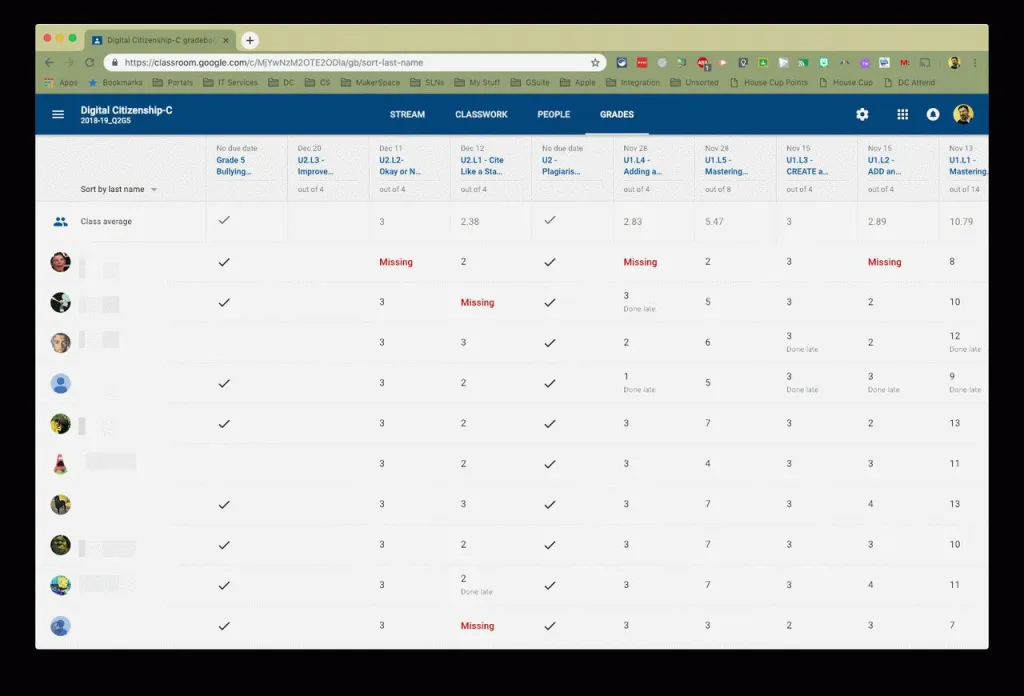
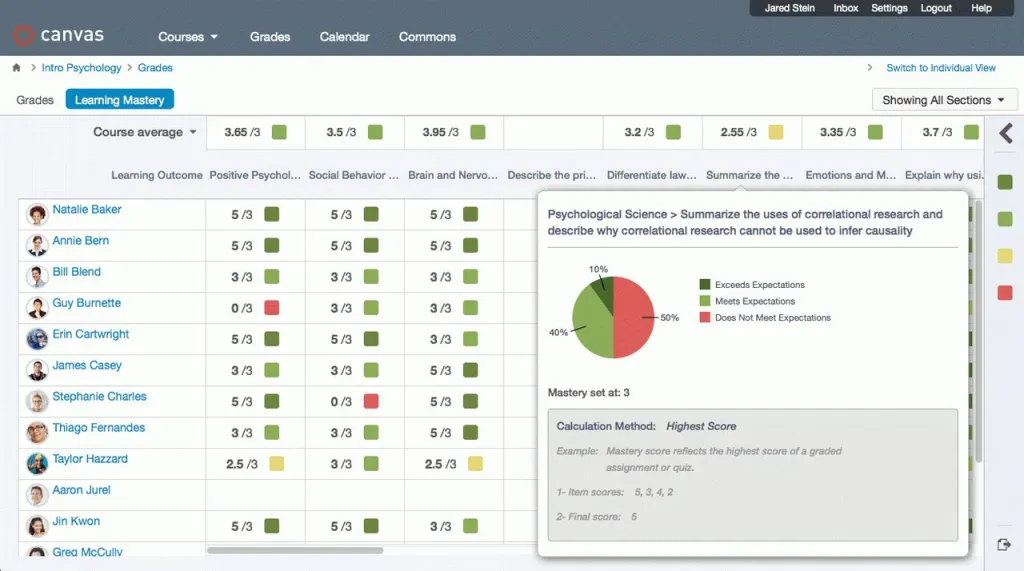
Digital learning platforms such as Canvas and Google Classroom provide teachers with information about student activity and progress. Depending on the platform and configuration, this can help staff see who is completing work, where students may be struggling and which areas might need further attention.
Supporting teachers and school leaders
Data can also help schools understand workload, staffing and the use of resources.
Imagine that an English teacher has unusually large classes alongside a heavy administrative workload. By reviewing information about class sizes, teaching hours and other responsibilities, school leaders may be able to identify the imbalance and consider changes.
This might mean redistributing classes, adjusting responsibilities or providing additional support. The data does not make the decision itself, but it can give leaders stronger evidence for understanding the problem.
The role of AI and education technology in Big Data
AI can make large datasets easier to work with by helping to process information, identify patterns and generate recommendations.
In education, this is particularly relevant to adaptive learning and analytics platforms.
Adaptive learning platforms
Adaptive learning systems use data about student performance to adjust the learning experience.
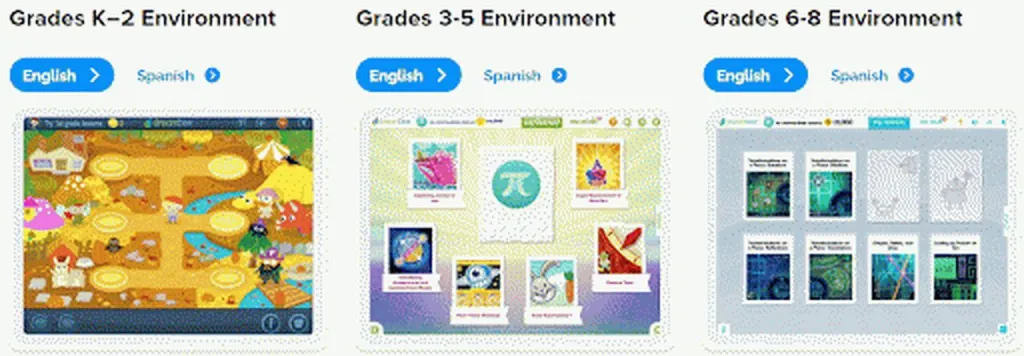
DreamBox, for example, is an adaptive mathematics platform. It analyses how students progress through activities and uses that information to adjust the content and level of challenge.
Teachers can also use reports and analytics to review student progress and decide where further support may be needed.
Other adaptive learning systems have used similar approaches, analysing student knowledge and performance to recommend appropriate materials and activities.
Data analytics platforms
Schools can also use dedicated analytics tools to organise, visualise and interpret information from different sources.
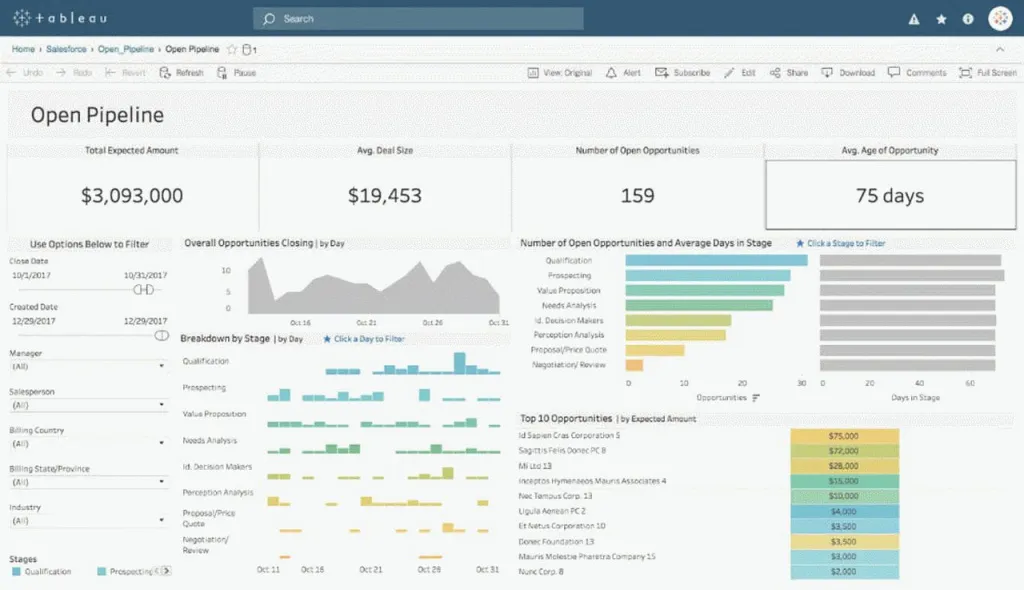
Platforms such as Tableau can turn large datasets into dashboards, charts and reports, making trends easier to identify.
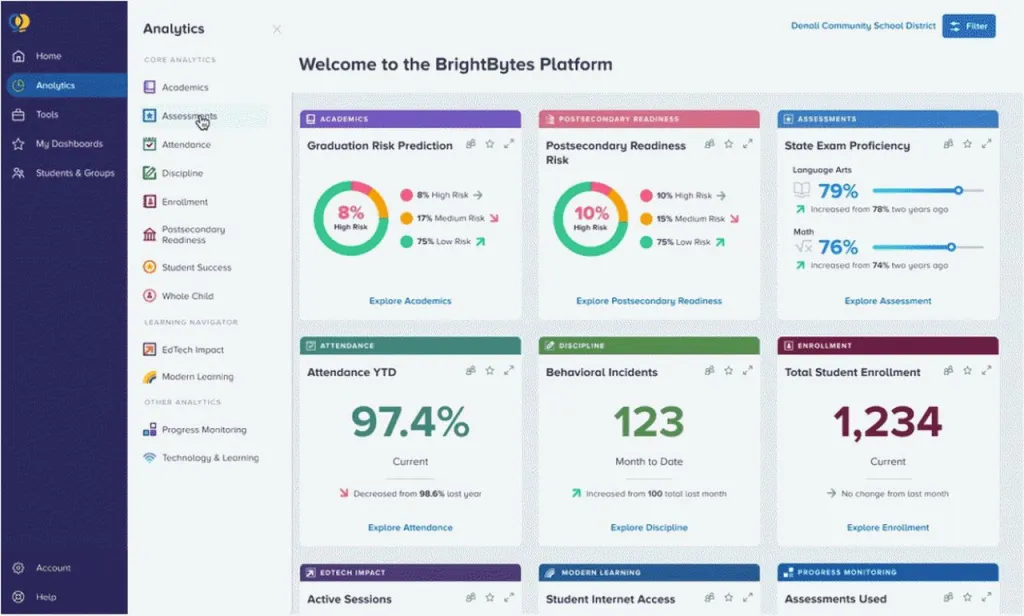
In a school setting, visualisation tools can be used to analyse information such as attainment, attendance, assessment results and other indicators over time.
School management platforms
More comprehensive school management platforms combine data from different areas of school life.
For example, Mojo supports processes such as academic planning, timetabling, electronic gradebooks, course management, assessment and reporting. Bringing these processes into the same system gives schools a broader view of student progress and school operations.
Schools can also use data relating to achievements, competitions, behaviour, attendance, health information and other areas where appropriate permissions and safeguards are in place.
For school leaders, the value lies in being able to analyse information across different parts of the school rather than working with isolated records.
How to start working with data in your school
- Start with a clear question. Begin with a manageable area such as attendance, attainment or assessment results rather than collecting data without a specific purpose.
- Use the right tools. For straightforward analysis, spreadsheets may be enough. More complex work may require tools such as Power BI, Tableau or analytics built into a school management platform.
- Focus on data quality. Analysis is only useful when the underlying information is accurate, consistent and up to date.
- Build data literacy. Teachers and school leaders need to understand how to interpret data, question patterns and avoid drawing conclusions too quickly.
- Protect student information. Schools should be clear about which data they collect, why it is needed and who is authorised to access it.
Big Data is most valuable when it helps schools ask better questions rather than simply collect more information.
Used carefully, data can help teachers and school leaders understand student needs, identify patterns and make more informed decisions. But it should support professional judgement, not replace it.