What are 21st-century skills, and why do they matter?
We want young people to be able to communicate confidently, solve problems, work with others and build fulfilling professional lives. But what should schools teach today when the knowledge and skills students will need in ten or fifteen years may look very different from those required now?
The future of work is difficult to predict. Technology continues to change professions, create new roles and transform the way people solve problems. This means that preparing students for the future cannot be limited to teaching subject knowledge alone.
Skills are often divided into two broad categories: hard skills and soft skills.
Hard skills are specific, practical abilities used to complete particular tasks. Examples include working with spreadsheets, writing code in Python or repairing a car. They are usually relatively straightforward to demonstrate and assess through examinations, practical tasks or professional qualifications.
Soft skills are broader. They are not tied to a single profession or subject and relate to how people think, communicate, work with others and respond to different situations.
They may include cognitive skills such as processing information and solving problems, social skills such as collaboration and communication, and emotional skills such as recognising and managing emotions. These abilities can be more difficult to measure than subject knowledge, but they play an important role in learning, relationships and later professional life.

What are the 4Cs?
As technology has changed the nature of work and communication, educators and researchers have developed different frameworks for describing the skills students may need in the 21st century.
One of the best-known frameworks identifies four core competencies, often referred to as the 4Cs:
- communication;
- critical thinking;
- collaboration;
- creativity.
These skills can be developed both through academic subjects and through experiences beyond the classroom. Students may also benefit from developing leadership, responsibility, adaptability, intercultural awareness and digital literacy.
Schools can play an important role in developing these abilities, but they are also shaped by family life, extracurricular activities and everyday experiences. A student’s age, personality and individual circumstances also influence how these skills develop.
How can schools assess soft skills?
Assessing soft skills is more complex than testing subject knowledge. There are structured assessments designed by specialists in psychometrics and education, including tools adapted for different age groups.
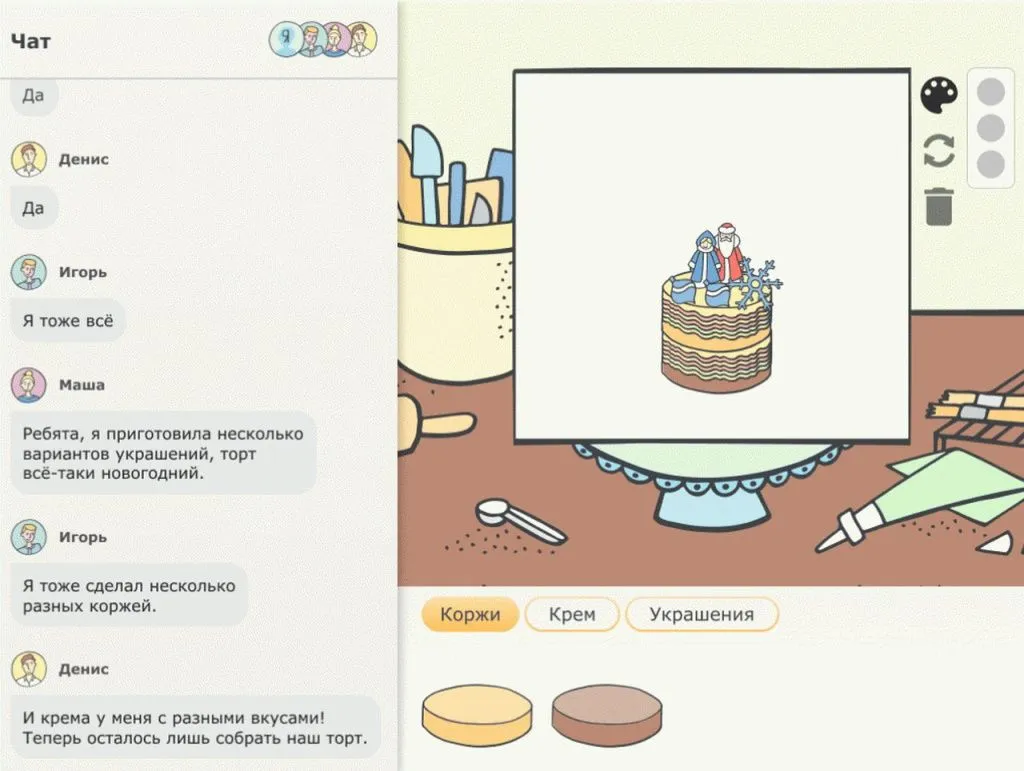
However, a single test cannot provide a complete picture. Soft skills are best understood through observation over time and across different situations.
Teachers can look at specific behaviours that demonstrate a particular skill and provide feedback on what a student is doing well and where there is room for development. It is also important to keep this separate from the assessment of academic knowledge: collaboration or creativity should not simply become another version of a subject mark.
Different activities can reveal different skills. Creative assignments, individual projects and group work can all give teachers useful opportunities to observe how students communicate, adapt and solve problems.
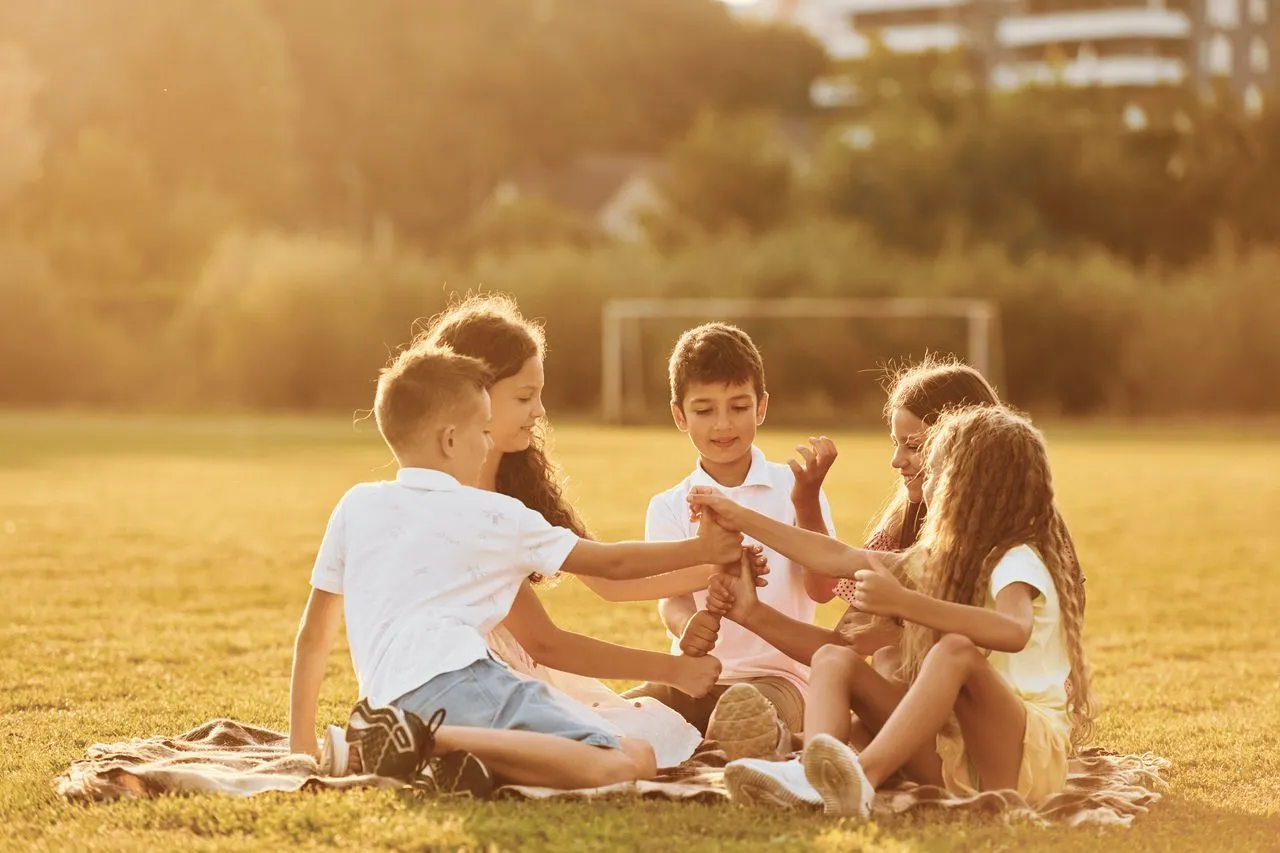
Extracurricular activities can be useful as well. Games that require students to explain ideas without words, for example, can encourage communication, adaptability and creative thinking in a very different context from a traditional lesson.
How can schools identify which skills a student needs to develop?
A student’s strengths and areas for development can be identified through observation, structured assessments, projects and feedback from teachers.
The skills that matter most may also depend on what is happening in the student’s life. A child who has recently joined a new school may benefit from additional support with communication and relationship-building. A student going through a difficult period may need more help recognising and managing emotions.
For older students, careers education can also help identify the broader skills they may need as they prepare for university, employment or other pathways after school.
How can schools develop soft skills?
There is no single method that works for every student or every school. Soft skills develop through repeated practice across different situations rather than through one dedicated lesson or course.
Useful approaches can include:
- Role play and real-life scenarios. Students can work through situations that require them to make decisions, communicate and consider different perspectives.
- Modelling and visualisation. Diagrams, models and other visual structures can help students explore relationships between ideas, people or events. For example, students might create a visual map showing relationships between characters in a novel.
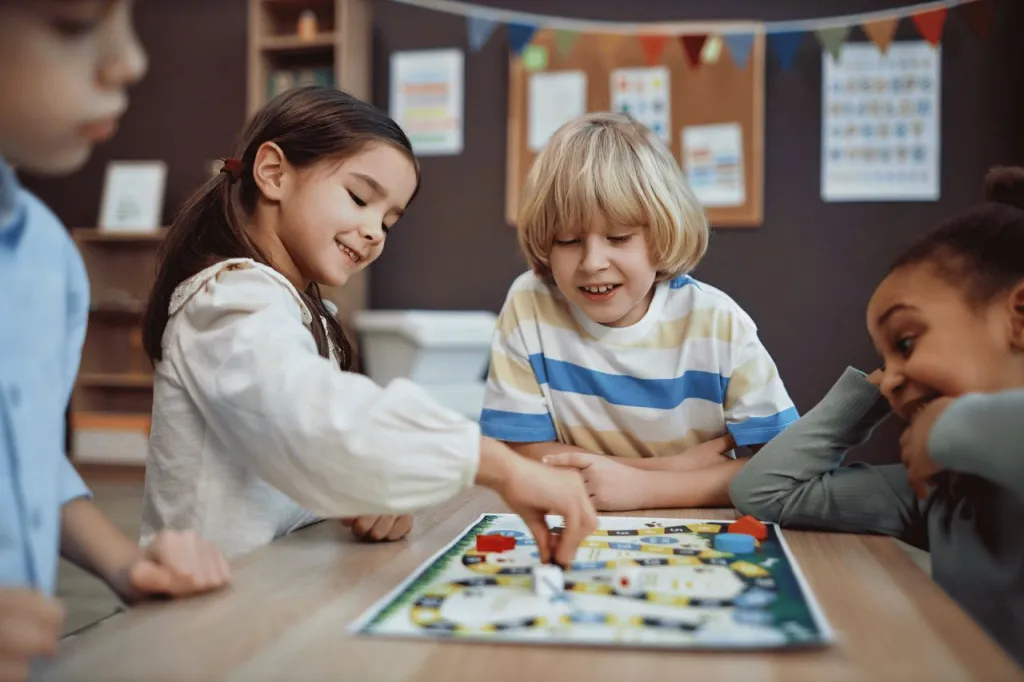
- Collaborative games and activities. Team-based tasks encourage students to communicate, negotiate and work towards a shared goal. Board games, creative exercises and group challenges can all be useful depending on the age of the students and the skills being developed.
One of the most effective approaches is to build opportunities for developing these skills directly into normal subject teaching.
A science lesson might include a brainstorming activity that asks students to propose different explanations for a problem. A literature lesson might involve collaborative interpretation or discussion. Group projects can require students to divide responsibilities, communicate ideas and reach decisions together.
Schools can also use activities designed specifically to develop particular skills. These might include exercises focused on emotional awareness, perspective-taking, communication or managing difficult situations.
Extracurricular activities, sport, creative projects, research and hobbies can provide equally valuable opportunities. In many cases, these are precisely the situations in which students learn to take responsibility, adapt, collaborate and deal with unexpected challenges.
Developing soft skills should not be treated as the responsibility of one teacher or the school counsellor alone. It works best when these skills are reinforced across subjects, pastoral support, extracurricular activities and communication with families.
The aim is not to predict exactly which jobs today’s students will eventually have. It is to give them the ability to learn, communicate, think critically and adapt when the world around them changes.