Mojo Education at GESS Dubai 2025
Contents
- GESS Dubai 2025: The Region's Biggest Education Event
- Four Key Trends in Education
- Artificial Intelligence Platforms Revolutionizing Classrooms
- STEM and Robotics: From Theory to Practice
- Some Interesting Projects at GESS
- How Mojo Education Helps Teachers with AI
- What This Means for the Future of Education
GESS Dubai 2025: The Region's Biggest Education Event
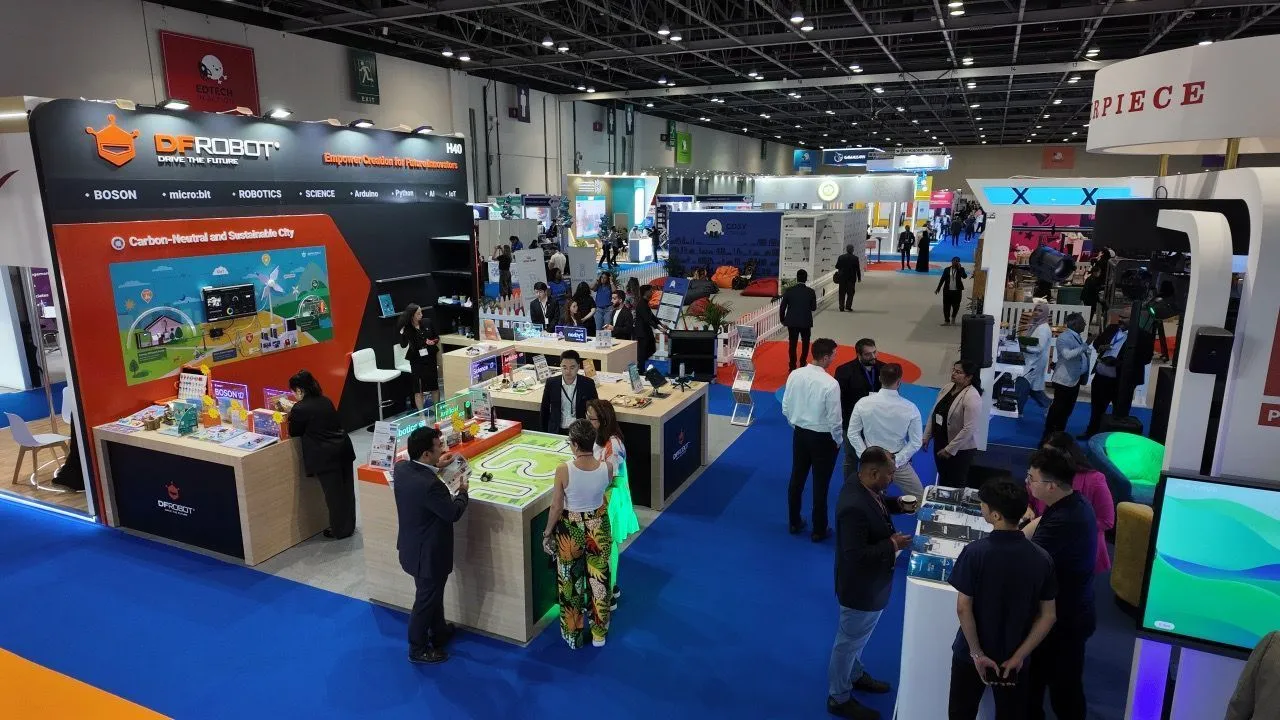
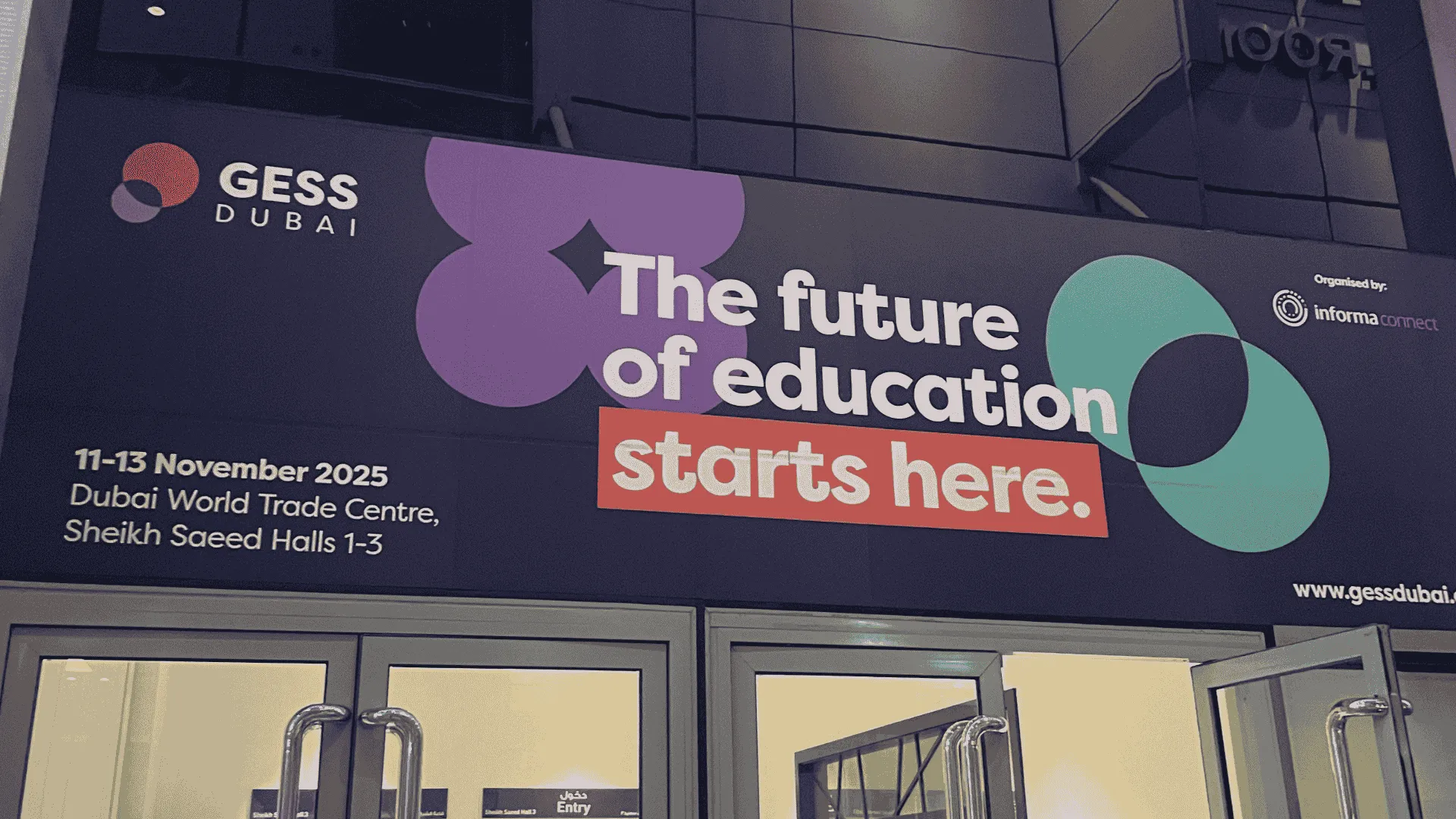
For 18 editions now, GESS Dubai has solidified its reputation as the cornerstone event for education innovation in the Middle East — a testament to its lasting relevance and strategic importance. The 2025 conference, held across the bustling Sheikh Saeed Halls 1-3 of the Dubai World Trade Centre, was no exception, drawing a global contingent of educators, innovators, and industry leaders from over 30 countries and showcasing products from more than 300 brands. This impressive scale clearly highlighted Dubai's growing role as a regional hub for future-focused education and learning innovation, a critical factor for decision-makers navigating such a rapidly evolving landscape.
One standout aspect of the 2025 gathering was the Start-up Pavilion, which, by all accounts, was the largest in the conference's history. This dedicated space for emerging educational innovators provided a dynamic platform for disruptive technologies and fresh perspectives in personalized learning, wellbeing, leadership, and educational technology. For investors and venture capitalists, the Start-up Pavilion offered an unparalleled opportunity to scout high-growth potential and identify the next generation of EdTech pioneers.
The conference's co-location with Education Investment MENA made it even more valuable for the target audience. This synergistic arrangement created a comprehensive forum for fostering innovation, facilitating strategic partnerships, and uncovering investment opportunities across the region. With strong delegations from countries like China, the UK, and Korea, the exhibition floor buzzed with the promise of cross-cultural collaboration and the exchange of best practices. GESS Dubai 2025 thus served as an essential annual pilgrimage for those committed to driving innovation, securing a competitive advantage, and shaping the future trajectory of education in the MENA region and beyond.
Four Key Trends in Education
GESS Dubai 2025 was a hub of ideas, with discussions and presentations revolving around four core educational trends that are fundamentally reshaping the future of learning globally, especially within the MENA region's dynamic K-12 landscape. These trends offer a clear roadmap for senior education executives aiming to navigate complex challenges, maintain a competitive advantage, and ensure robust student outcomes while adhering to regulatory frameworks and managing operational costs.
The Dawn of AI-Driven Personalization

Artificial Intelligence in education clearly stole the show at the conference. Speakers and exhibitors alike emphasized the transformative potential of AI-driven personalized learning, touting its capacity to tailor educational experiences to individual student needs and learning styles. Beyond student applications, significant attention was given to AI-powered teacher support tools and immersive technologies designed to empower educators. The real need to "democratize AI skills among educators" was a recurring theme, with platforms designed to enable teachers to create their own AI chatbots for personalized learning support, thereby streamlining workflows and amplifying teaching effectiveness.
Cultivating Wellbeing and Sustainability in Pedagogy
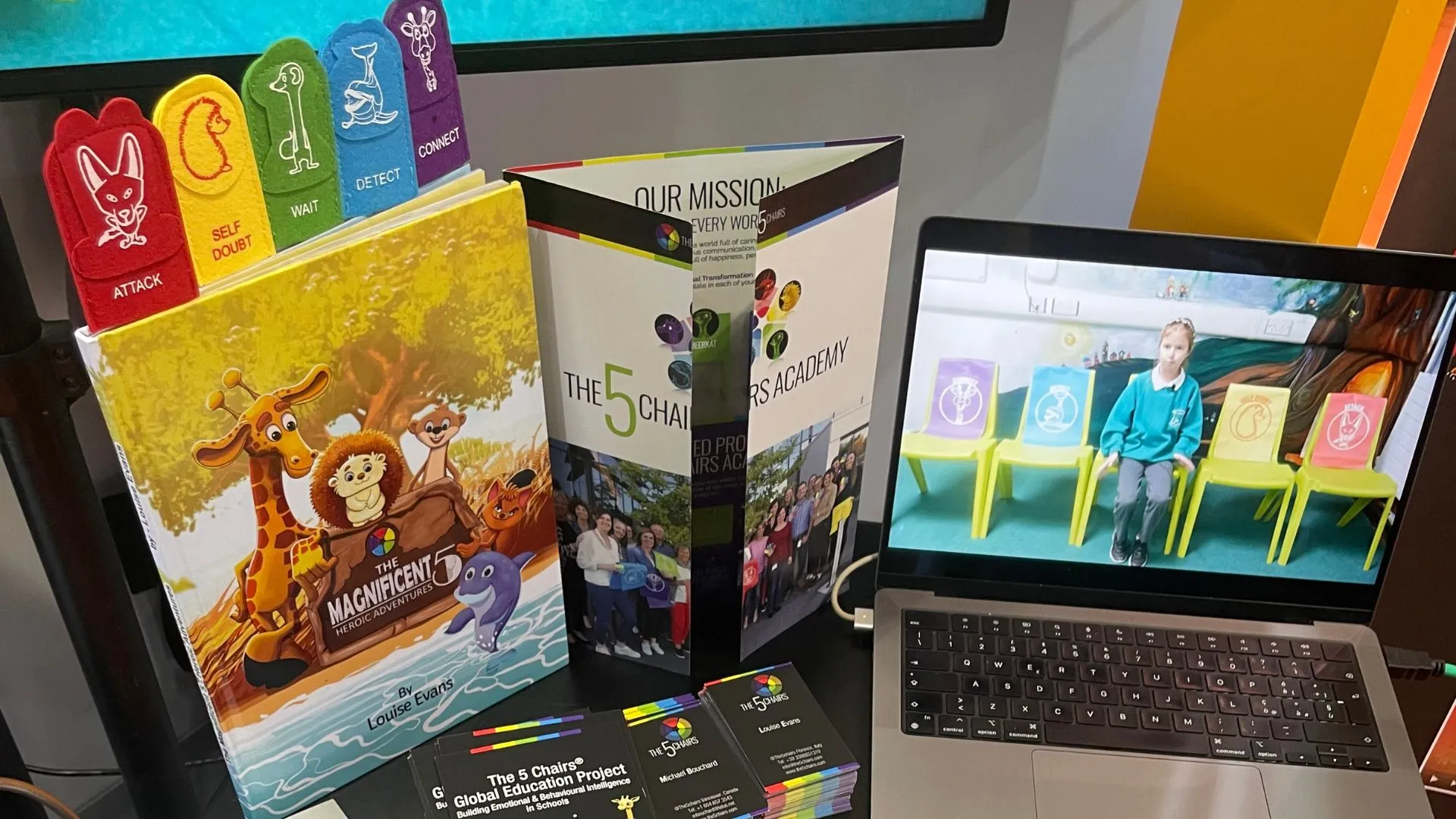
The second dominant trend beautifully integrated student wellbeing with sustainability initiatives, reflecting a holistic approach to education. Innovative pedagogies were showcased that intertwine environmental awareness with the core curriculum, preparing students not just academically but also as responsible global citizens. The conference explored how schools can foster a culture of psychological safety and wellbeing, aligning with society's broader push for conscious living. Experts like Rob Faulkener and Peter Milne addressed the creation of sustainable school environments, demonstrating a commitment that extends beyond the classroom walls and resonates deeply with parents seeking a well-rounded, future-proof education for their children.
STEM Innovation for Industry 4.0 Readiness

STEM innovation and robotics took center stage, showcasing a clear alignment with Industry 4.0 technologies and the critical need for workforce readiness. The conference highlighted numerous student-led robotics projects, demonstrating practical advances in AI-human interaction, such as muscle signal and voice command integration to control robotic arms. This emphasis underscored the importance of hands-on, project-based learning in developing critical thinking, problem-solving, and technical skills essential for high-tech careers. Dare Pitan, Digital Education Lead at the University of Birmingham Dubai, stressed the importance of practical EdTech strategies for building future-ready classrooms, positioning STEM as a cornerstone of competitive advantage for K-12 institutions.
Global Educational Leadership and Inclusive Futures

Finally, discussions around global educational leadership and inclusion explored new models for creating diverse and equitable learning environments. Leaders grappled with the complexities of managing capacity constraints, balancing premium quality with affordability, and integrating EdTech solutions effectively. Stephanie Martin, Founder & Managing Director of Edvance Education Consultants, presented strategies for leadership and strategic planning to drive school improvement and foster student-centered learning. Dr. Dala Kakos further elaborated on integrating AI and ethics into student-centered approaches, emphasizing inclusive, future-proof systems. These discussions provided senior executives with actionable insights into governance, policy alignment (like KHDA compliance), and strategies for attracting and retaining qualified educators, particularly Emirati teachers, within the framework of a globalized educational ecosystem.
Artificial Intelligence Platforms Revolutionizing Classrooms
The exhibition halls of GESS Dubai 2025 showcased a broad spectrum of AI-powered educational platforms designed to transform how teachers teach and students learn. For education leaders, these innovations represent strategic investments in personalized learning, optimized teacher workflows, and tangible ROI.
- EdTool, shortlisted for the Best Digital Educational Product award, directly addresses a critical pain point: time. By leveraging AI, it helps educators save preparation time while designing interactive lessons more efficiently. For K-12 institutions, this means higher teacher satisfaction, reduced administrative overhead, and more personalized attention for students.
- Maths Pathway demonstrated how machine learning delivers truly personalized math education, tailoring learning pathways to individual student styles and paces. This personalization enables schools to cater to diverse needs and consistently improve outcomes.
- BenQ and E Cloud AI Inc. (Best XR/VR/AI Product Award winner) presented immersive platforms integrating VR/XR with AI, offering interactive environments that transcend traditional classroom limitations and make complex subjects more accessible.
STEM and Robotics: From Theory to Practice
Beyond intelligent software, GESS Dubai 2025 showcased the physical technologies transforming hands-on learning and preparing students for Industry 4.0. For K-12 institutions, investments in cutting-edge STEM and robotics equipment are strategic imperatives for differentiating offerings, fostering innovation, and justifying infrastructure costs to stakeholders and investors.
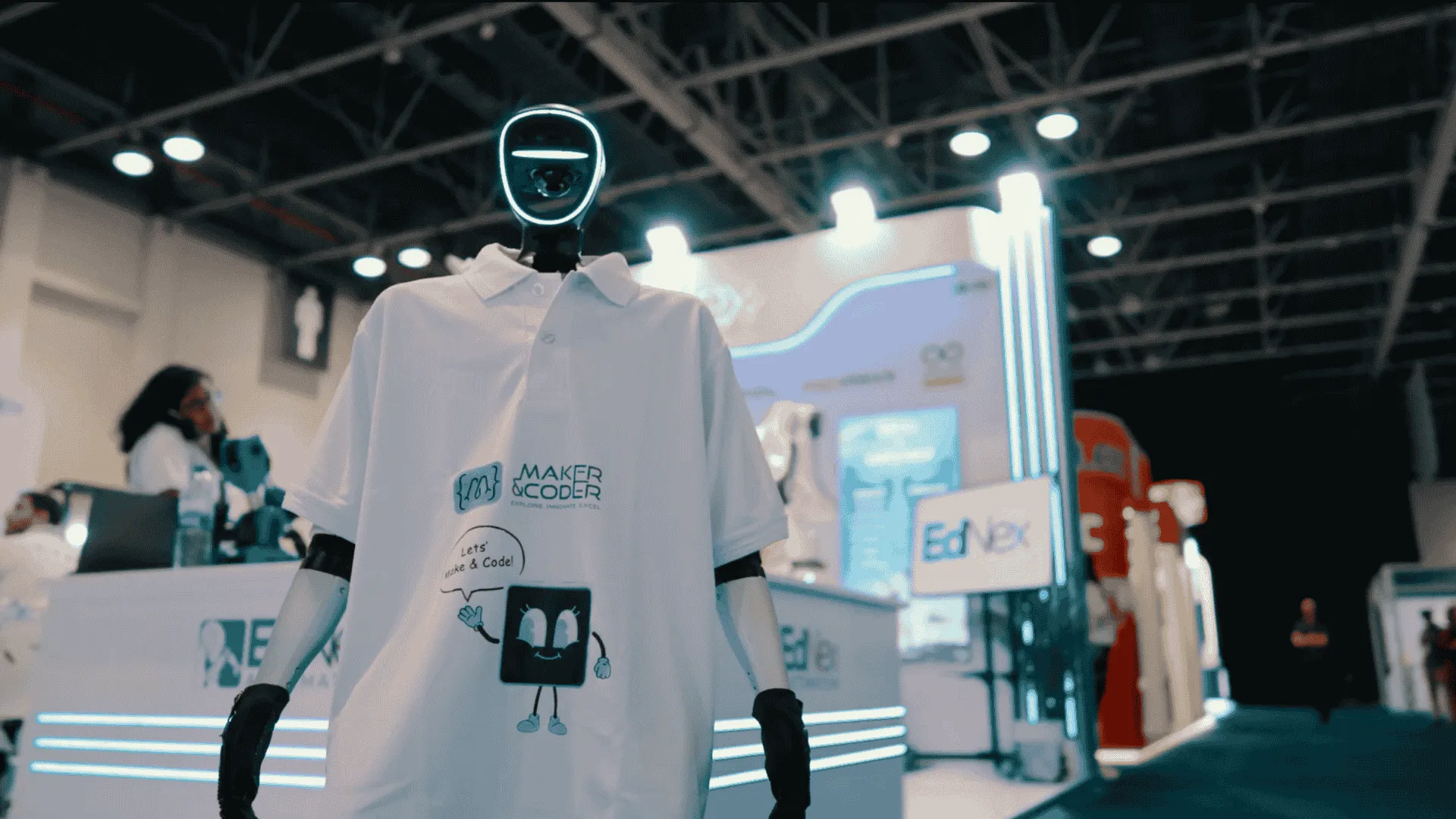
EdNex stood out with IoT-enabled smart classrooms and Industry 4.0 equipment. These solutions create interconnected ecosystems, enabling real-time data collection on learning environments, energy efficiency, and resource utilization. Smart classrooms empower educators with analytical insights while providing students with environments mirroring future workplaces. Integrating Industry 4.0 equipment, such as advanced manufacturing tools and automation kits, equips students with practical skills relevant to emerging global industries.

One of the most compelling demonstrations was the student-created Six Degrees of Freedom (6DoF) robotic arm, showcasing advanced human-robot collaboration with real-time EMG muscle sensors, AI voice commands, and remote-control capabilities. Students commanded the arm using muscle signals and verbal instructions, demonstrating profound understanding of robotics, AI integration, and interface design. Such projects highlight the exceptional learning outcomes possible when students access high-end equipment. These robotics labs are incubators for future engineers and AI specialists.
Some Interesting Projects at GESS
GESS Dubai 2025 was a hotbed of innovation, featuring a diverse array of projects and platforms that captured significant attention for their unique approaches to educational challenges. These breakthrough initiatives offer strategic insights for education leaders seeking to redefine student engagement, bolster wellbeing initiatives, and achieve measurable outcomes in an increasingly competitive landscape. Each project, in its distinct way, showcased how technology, creativity, and a focus on practical application can enhance competitive positioning for K-12 institutions.
- One project that beautifully blended sustainability with experiential learning was Hundred Hives – Bee Farm Education Project. This initiative promotes environmental science education through the hands-on practice of beekeeping. For schools looking to integrate ecological awareness and practical sustainability into their curriculum, Hundred Hives offers a unique opportunity. It transcends traditional classroom learning by immersing students in a real-world ecosystem, fostering responsibility, scientific inquiry, and an understanding of biodiversity. Such projects resonate strongly with the increasing demand for holistic education that prepares students for global citizenship and aligns with regional sustainability goals.
- The Merge EDU Platform captivated attendees with its innovative use of augmented reality (AR) cubes. This platform transforms classroom interaction by bringing digital content into the physical world through hands-on, AR-driven experiences. Imagine students holding a cube that, through a tablet, displays a beating heart, a rotating galaxy, or a complex molecule they can manipulate and explore. Merge EDU tackles student engagement challenges head-on, making abstract concepts tangible and fostering a deeper, more interactive understanding of subjects ranging from science to history. For institutions aiming to leverage immersive technologies without the full immersion of VR, Merge EDU offers an accessible and highly engaging solution.
-
For physical education and motor skills development, Play DIDIM presented a platform that ingeniously combines digital and physical activity learning methods. In an era where digital engagement often overshadows physical activity, Play DIDIM offers a balanced approach, using technology to encourage and track physical development. This innovation addresses crucial wellbeing initiatives by promoting an active lifestyle, helping schools foster healthy habits, and providing data-driven insights into students' physical progression.
- Finally, Projotech – STEM Learning Platform offered a comprehensive suite of digital resources aimed at enhancing STEM skills from early education onwards. This platform provides structured learning pathways, interactive content, and practical exercises to build foundational and advanced STEM competencies. As the demand for STEM-proficient graduates continues to surge, Projotech positions itself as a vital resource for schools committed to delivering robust STEM education. It enables institutions to ensure a consistent, high-quality STEM curriculum that prepares students for higher education and future careers in technology and innovation.
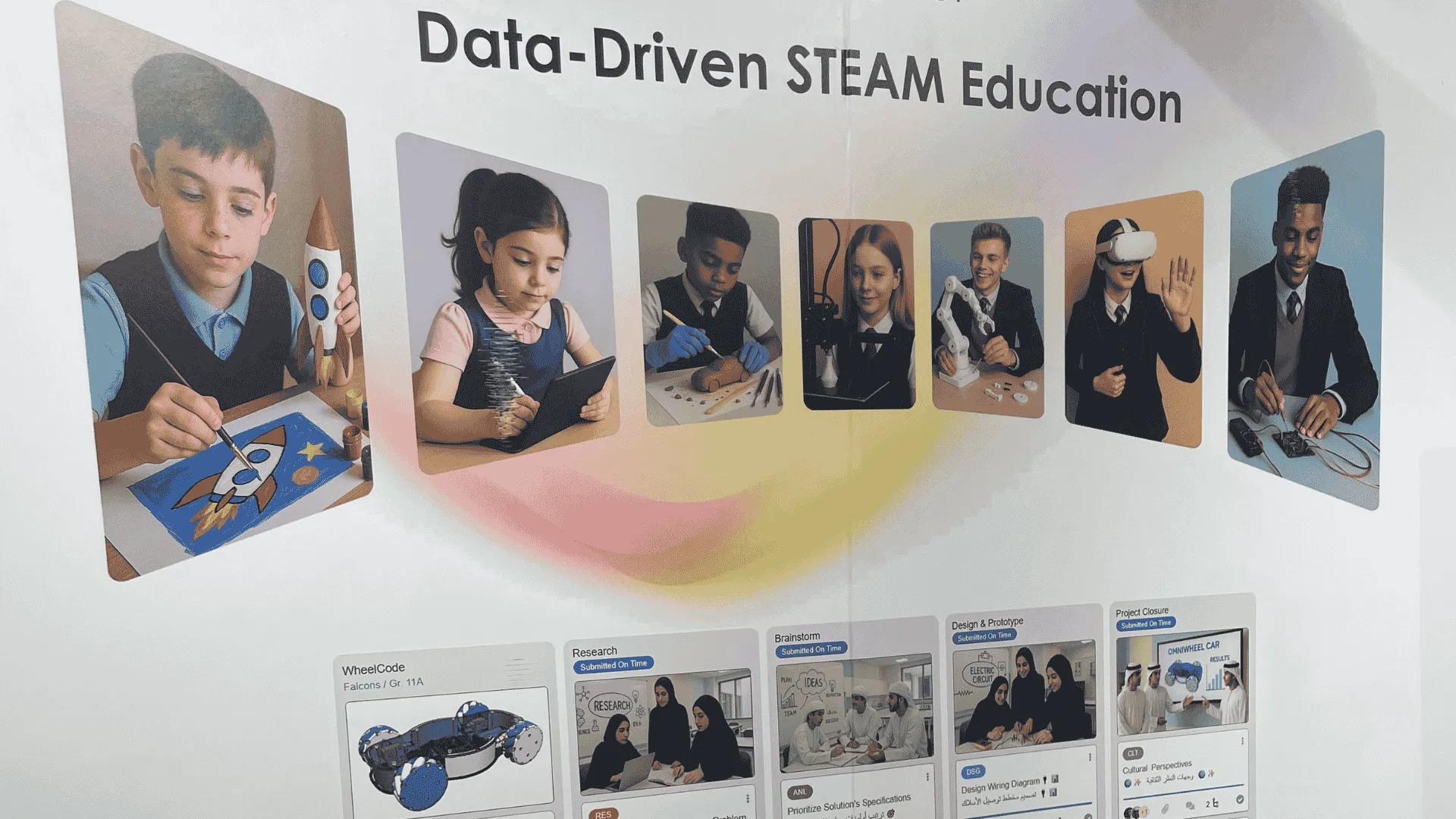
While explicit details of each project’s specific showcases at the GESS Dubai 2025 conference might have been limited in public sources, their presence underscored the event's commitment to diverse, innovative education solutions. These projects collectively demonstrate how blending technology, engagement, and sustainability can effectively address contemporary educational challenges, offering valuable blueprints for institutions seeking to enhance their competitive positioning and deliver measurable outcomes in student engagement and development.
How Mojo Education Helps Teachers with AI
We, Mojo Education, presented our platform at GESS Dubai 2025 at Startup Pavillion. For C-suite executives and school operators navigating the complexities of modern education, Mojo Education presented cutting-edge solutions specifically designed to alleviate critical teacher workflow challenges, thereby enhancing operational efficiency and the overall educational experience.
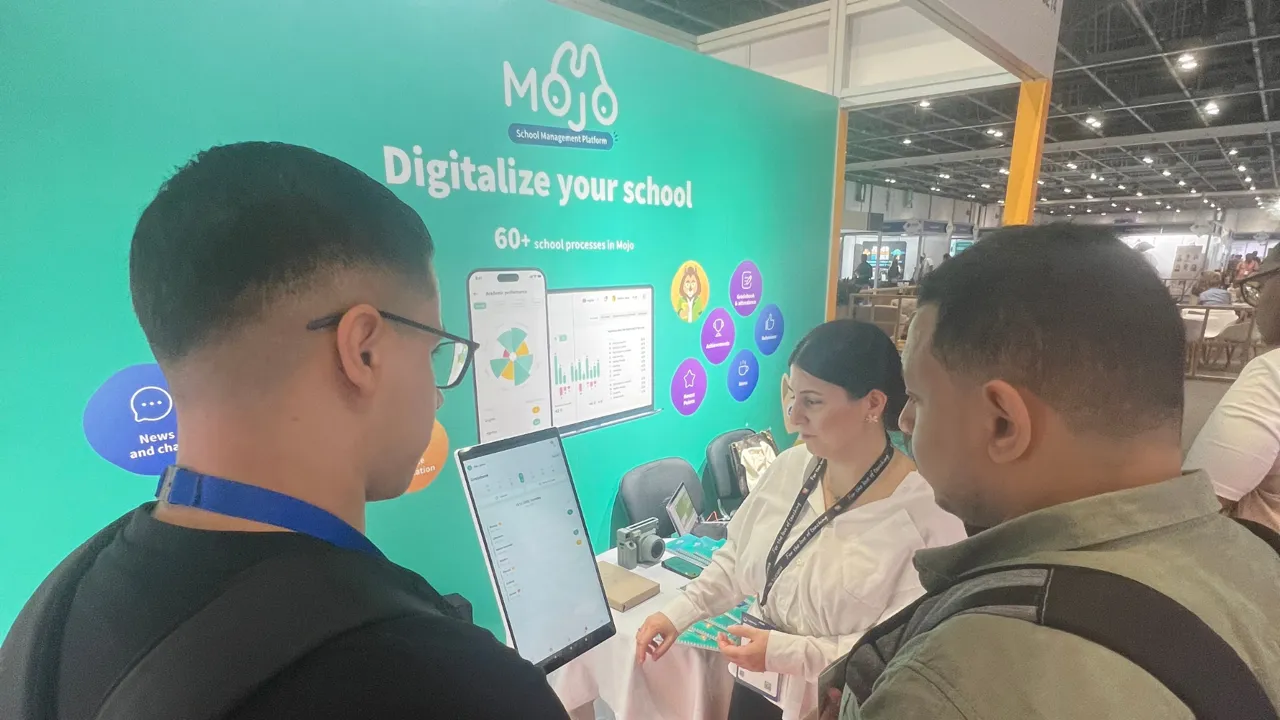
Mojo Education also showcased its comprehensive mobile application, designed to enhance communication between teachers, students, and parents. It creates a seamless communication ecosystem where important announcements, progress reports, and learning resources are readily accessible. This fosters a more collaborative and informed learning environment, aligning with the target audience's goals of improving school improvement and student outcomes through data-driven personalization.
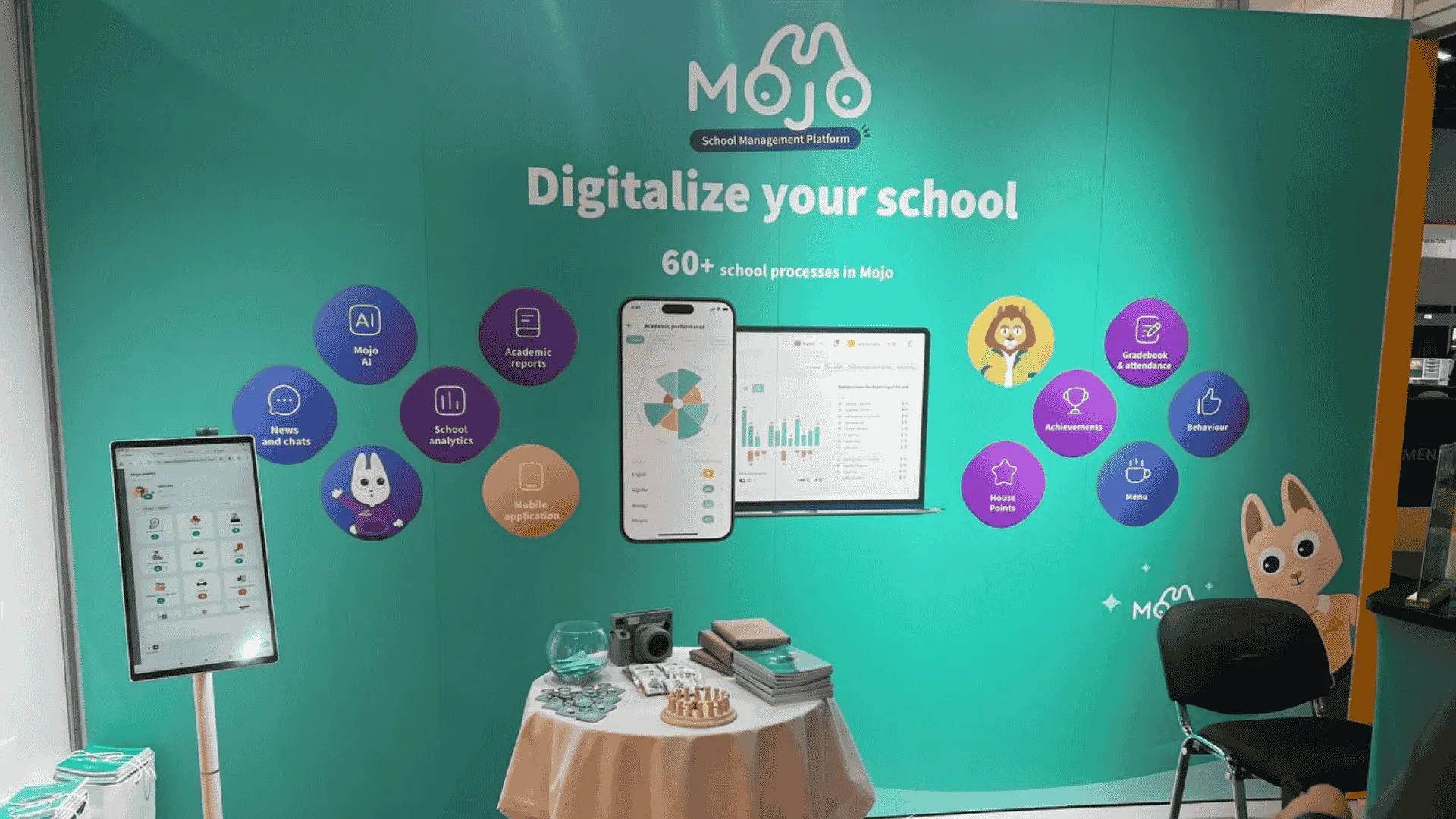
As a transformative player, Mojo Education exemplifies how start-ups are leveraging AI to address specific operational challenges, offering a niche yet powerful approach to personalization and enhanced teacher support that is highly relevant for the strategic growth and innovation objectives of K-12 institutions in the MENA region.
What This Means for the Future of Education
GESS Dubai 2025 served as a powerful compass, pointing towards the strategic implications for education investment and growth in the K-12 sector across the MENA region. The insights gleaned from the conference, with its strong focus on AI, student wellbeing, and sustainability, offer actionable guidance for school operators, investors, and policymakers aiming to leverage innovation for competitive advantage and measurable educational outcomes.
For school operators, the path forward involves a meticulous approach to EdTech adoption. This includes establishing clear vendor evaluation criteria, prioritizing solutions that address specific pain points like administrative burden or personalized learning gaps, and developing robust implementation roadmaps. Crucially, change management considerations for K-12 institutions must be paramount. Successful integration of AI and robotics requires not just technological infrastructure but also comprehensive teacher training, fostering an adaptive school culture, and ensuring that new technologies seamlessly enhance, rather than disrupt, existing pedagogical practices. Platforms like Mojo Education, with their focus on teacher empowerment and intuitive design, exemplify the kind of user-centric solutions that can drive successful adoption.
The future outlook for AI personalization in schools is exceptionally bright. With a strong governmental push for innovation and a highly competitive K-12 market, AI-driven tools are becoming indispensable for maintaining a competitive edge. These tools will continue to evolve, offering even greater precision in individualized learning and more sophisticated support for educators. The evolving role of start-ups in the education ecosystem, as highlighted by the record-breaking Start-up Pavilion, demonstrates a vibrant pipeline of innovation. Investors are increasingly looking to agile start-ups like Mojo Education for niche solutions that can be scaled and integrated into larger educational frameworks.
Emerging opportunities also abound in education tourism and international expansion. Cutting-edge STEM labs, AI-powered learning environments, and innovative wellbeing programs showcased at GESS Dubai enhance the appeal of UAE schools as global leaders in education, drawing students from across the region and beyond. Strategic international expansions and acquisitions, a goal for many large education groups, can be significantly informed by the global trends and technological advancements highlighted at the conference.
GESS Dubai 2025 reinforced the notion that education is an ever-evolving frontier. By embracing the transformative power of AI, championing hands-on STEM innovation, nurturing student wellbeing, and fostering progressive leadership, education leaders and investors can unlock unparalleled opportunities for growth, deliver superior educational outcomes, and secure a prominent position in the future of global education. The conference wasn't just a glimpse into the future; it was a blueprint for building it.